

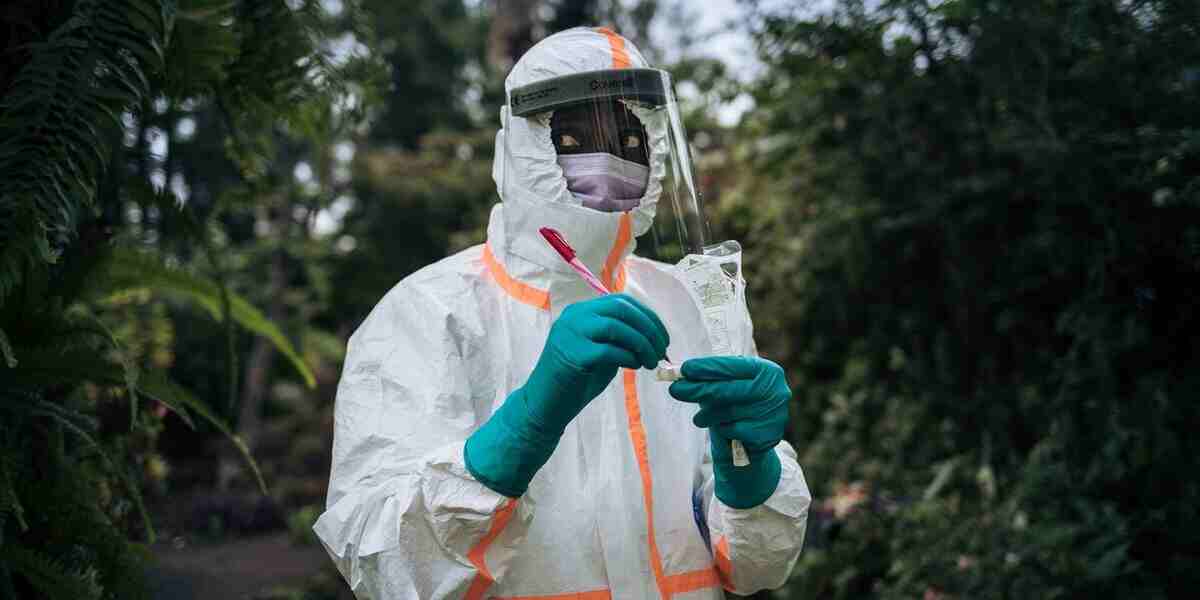
The World Health Organization has officially declared the ongoing Ebola outbreak in Central Africa a Public Health Emergency of International Concern (PHEIC), marking the highest level of global alert. As of May 18, 2026, the deadly virus has claimed more than 100 lives in the Democratic Republic of Congo, with confirmed cases rapidly spreading across multiple provinces. The situation escalated dramatically after a US doctor working with an international aid organization tested positive for the virus, raising serious concerns about international transmission risks.
Health authorities report that the current outbreak involves a rare and highly virulent strain of Ebola. Since its emergence in late March 2026, the virus has infected over 180 people, with a case fatality rate exceeding 55%. The epicenter remains in eastern DRC, where conflict, limited healthcare infrastructure, and community mistrust have complicated containment efforts. Mobile testing units and vaccination campaigns are underway, but experts warn that the virus is moving faster than response teams can track.
The infection of an American doctor has intensified global attention. The physician, who was providing medical support in a high-risk area, was airlifted to a specialized isolation facility in the United States after showing early symptoms. According to CDC officials, the patient is in stable condition and receiving experimental monoclonal antibody treatments. Contact tracing is actively underway for dozens of individuals who may have been exposed during travel. This marks the first confirmed Ebola infection of a US healthcare worker in several years and has triggered heightened screening protocols at international airports.
WHO Director-General Dr. Tedros Adhanom Ghebreyesus emphasized the urgency during a special briefing. “This is not just a regional crisis. With international personnel involved and frequent cross-border movement, the risk of further spread cannot be underestimated,” he stated. The PHEIC declaration unlocks additional funding, accelerates vaccine deployment, and enables stronger coordination between nations. Two promising vaccines, previously used in earlier outbreaks, are being rolled out to frontline workers and close contacts.
Neighboring countries including Uganda, Rwanda, and South Sudan have activated emergency response plans and enhanced border surveillance. Airlines operating in the region have adjusted protocols, and several nations are considering travel advisories for non-essential trips to affected areas. The economic impact is already being felt, with mining operations and agricultural markets disrupted in the DRC.
Public health experts stress that Ebola spreads through direct contact with bodily fluids of infected individuals and is not airborne. However, cultural practices involving burial rites and overcrowded healthcare settings continue to fuel transmission. Community engagement programs are working to build trust and encourage early reporting of symptoms such as fever, severe fatigue, muscle pain, and internal bleeding.
The international response includes deployment of rapid response teams from the US, Europe, and Africa CDC. Experimental therapies and ring vaccination strategies — vaccinating people around confirmed cases — have shown strong results in previous outbreaks. Still, challenges remain due to ongoing instability in the region and limited resources.
This declaration serves as a wake-up call for global preparedness. While modern medicine has significantly improved survival rates for Ebola patients who receive prompt care, the virus remains one of the most feared pathogens. Health officials urge the public to stay informed through official channels and avoid panic while supporting international aid efforts.
As the situation develops, authorities continue to monitor for any signs of spread beyond Africa. The coming weeks will be critical in determining whether swift global action can contain this outbreak before it becomes a larger international threat.
