

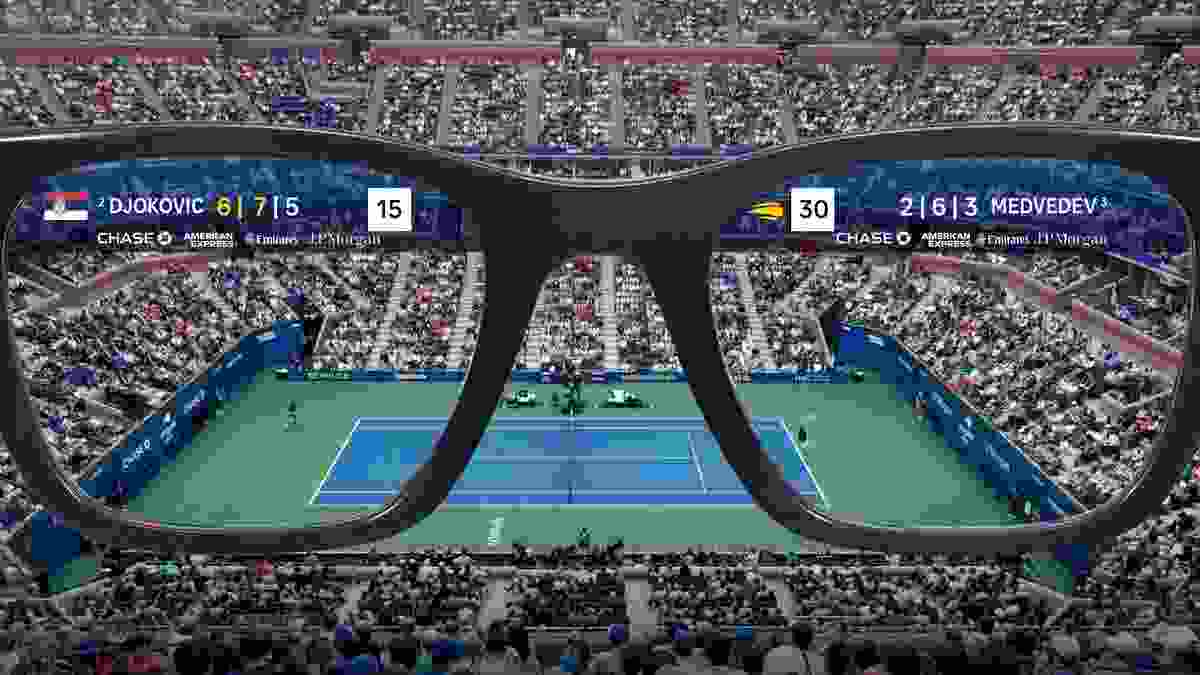
The world of competitive sports is entering a completely new phase as phygital competitions rapidly gain global attention. This emerging format combines physical sports with digital gameplay, creating a hybrid experience that is transforming both esports and traditional athletics. Instead of choosing between virtual or real-world competition, athletes now compete in both, making skill, strategy, and adaptability more important than ever.
Phygital sports are designed to merge two worlds into a single competitive format. Players may start by competing in a video game simulation and then transition to a real-life version of the same sport. This dual-layer competition is redefining what it means to be an athlete, as participants must master both digital precision and physical performance.
Games of the Future Driving Global Expansion
One of the biggest forces behind this movement is the Games of the Future, an international event that has quickly become the centerpiece of phygital competition. The upcoming edition will take place in Astana, Kazakhstan, bringing together hundreds of athletes from dozens of countries in a large-scale global tournament.
Scheduled to run over multiple days, the event will feature a wide range of disciplines, including phygital football, basketball, shooting games, and battle-based esports formats. These competitions are structured to test both in-game performance and real-world execution, offering a completely new viewing experience for audiences.
The scale of the event highlights how quickly this concept is growing. With international participation, multi-million-dollar prize pools, and strong institutional backing, phygital competitions are evolving from experimental formats into mainstream global events.
A Growing Global Ecosystem
The expansion of phygital sports is not limited to a single tournament. A global ecosystem is forming, supported by organizations like the World Phygital Community, which is overseeing tournaments, rankings, and development pathways for athletes. Competitive seasons now include multiple events across different continents, building momentum toward major international finals.
This growth is also being reflected in membership and participation. Countries around the world are joining the movement, recognizing the potential of phygital sports to attract younger audiences and bridge the gap between gaming and traditional athletics. The format is especially appealing to a generation that has grown up with both digital and physical forms of entertainment.
At the same time, esports itself continues to expand through structured leagues and global tournaments. Events like international esports championships and franchise-based leagues are contributing to a broader competitive landscape where digital gaming is treated with the same seriousness as traditional sports.
Technology at the Core of the Revolution
The rise of phygital competitions is being driven by rapid advancements in technology. Virtual reality, augmented reality, and real-time data systems are enabling seamless transitions between digital and physical gameplay. These technologies ensure that both aspects of the competition feel connected, creating a unified experience for players and spectators.
In addition, streaming platforms and digital media are playing a crucial role in bringing these events to global audiences. Fans can watch competitions unfold across both arenas, gaining a deeper understanding of the strategies and skills involved. This multi-layered viewing experience is making phygital events more engaging than traditional formats.
Redefining Athletes and Audiences
Phygital sports are also changing the identity of athletes. Competitors are no longer just physically skilled or digitally talented. They must excel in both domains, creating a new category of hybrid athletes who represent the future of competition.
For audiences, this format offers something entirely new. It combines the excitement of live sports with the immersive appeal of gaming, creating a dynamic experience that keeps viewers engaged across multiple platforms. This is particularly important in an era where entertainment is increasingly interactive and digital-first.
The Future of Competitive Entertainment
The expansion of esports and phygital competitions signals a major shift in the global sports landscape. What started as separate industries are now converging into a unified ecosystem that blends technology, athleticism, and entertainment.
As more countries invest in these formats and major events continue to grow in scale, phygital competitions are set to become a defining trend in modern sports. They represent not just an evolution but a complete reimagining of competition itself.
This new era is not about replacing traditional sports or esports. It is about combining them into something bigger, more engaging, and more aligned with how people experience entertainment today.
