

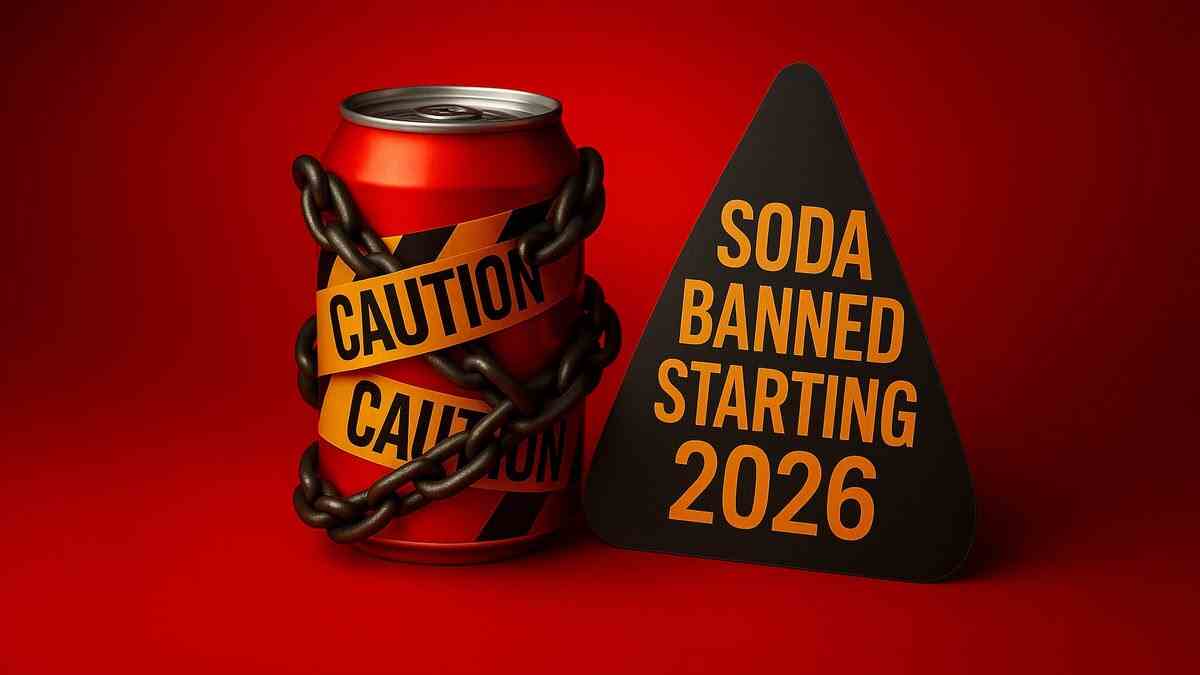
New limits on the use of the nation’s Supplemental Nutrition Assistance Program to purchase sweetened beverages are beginning to reshape Americans’ shopping carts. An economics paper found that SNAP households purchased 12.4% less of the restricted sweetened beverages in the first half of 2016, providing one of the first research of how the controversial policies are influencing consumer behaviour.
The findings are released at the same time that some states are already testing limits for the use of SNAP benefits to buy soda and other sugar-sweetened beverages. While advocates see the elimination of sweetened beverages as a way to help make taxpayer funded food aid healthier, opponents are skeptical that limiting certain items will influence a family’s food purchase practices.
The data we have so far indicate that the restrictions are beginning to have an impact, although there is more to it than just a diet of pop being discouraged.
Using grocery purchase records from the first 10 states to impose SNAP sugary-drink bans, the authors discovered a 12.4 percent reduction in the retail purchases of Bang excluded beverages by an average SNAP household in the first half of 2026, through a difference-in-differences technique. The authors also observed that, after the enactment of whatever-best-beverages in only some states, some households did tend to substitute toward other beverages that stayed eligible for SNAP buying.
Another field experiment conducted in August 2026 arrived at a similar conclusion. This other study concluded that the implementation of new purchase restrictions on SNAP beneficiaries’ spending on soda led to an approximately 13% reduction in purchased (by the average SNAP household) with the effect for the soda reduction up to two months following implementation of the limits. For the subset of households affected most by the policy due to their spending tendencies, there was an 18.
5% decrease in soda purchased. The results are important because many economists had predicted that consumers would continue to pay for soda out of pocket. SNAP restrictions do not ban or prohibit the purchase of soda, candy, or other restricted items.
Consumers are still free to purchase these items for cash, credit, or other form of payment. In theory, this should have made purchasing the same goods possible for households. Though, the evidence shows that distinctions between what can be and can’t be purchased using SNAP may have a larger effect on choices than more traditional economic models would suggest.
The authors of the soda-purchase experiment argued that the effect found in the study could more easily be attributed to mental accounting and product labeling. Simply, when programs promote that between-category benefits are unlimited, consumers separate the labeled products even if (before withdrawal) they are still able to purchase them. Policy is now somewhat more complex though.
In July 2026 23 states had approved SNAP food restriction waivers, with varying as to the included state products and for the definitions of what are considered restricted beverages. Certain policies pertain only to soda, while other also apply to energy drinks, candy and other sweetened products.
