

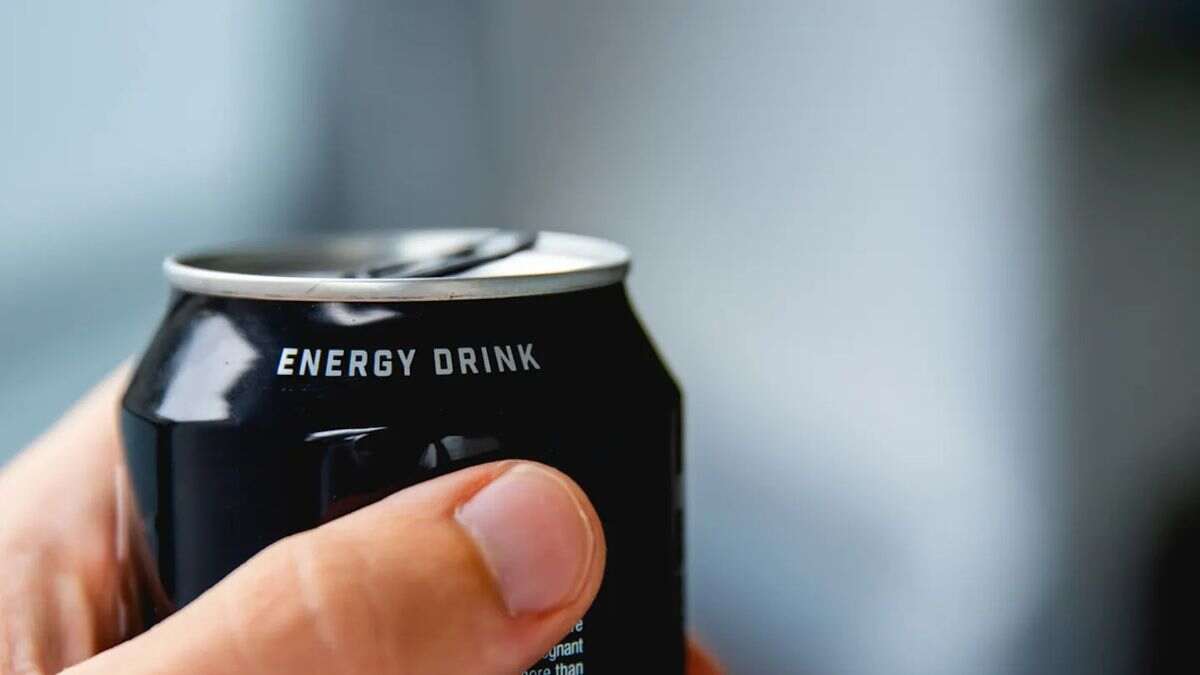
And as beverage makers grow their footprint in sports, social media and youth culture, physicians, and public health authorities are once again raising alarms about energy drinks. Mainly troubling to doctors are the professional sponsorship agreements that lend an athletic imprimatur to super-charged drinks, though doctors for years have told children and teens not to consume energy drinks.
The most recent controversy came when Monster Energy was named a Big 12 Conference partner, with the brand’s logo appearing on jerseys, fields, courts, and digital platforms. A group of physicians has petitioned the conference to reconsider the sponsorship and requested a further review of the marketing of energy drinks to youth.
The issue extends beyond advertising. Energy drinks may contain much higher levels of caffeine than typical soft drinks. Based on the brand, a single serving may have approximately 80 to 300 milligrams of caffeine. The American Academy of Pediatrics advises that adolescents aged 12 to 18 should not exceed 100 milligrams of caffeine per day, and younger children are generally recommended to avoid caffeine altogether.
Based on doctors, the medical effects of caffeine when combined with other stimulants include elevated heart rate and blood pressure, irregular heart rhythms and sleep disorders. In rare cases, there can even be more significant cardiovascular problems. A review in the American Journal of Cardiology recently found that there are in fact significant cardiovascular effects in young people and recommended more aggressive regulation of youth sports sponsorships.
The issue has become in particular emotional due to deaths involving young people. One frequently cited case is that of 16-year-old Davis Cripe, who died in 2017 after consuming several caffeinated beverages, including an energy drink. The coroner attributed his death to a caffeine-related cardiac event. Doctors note that such deaths are rare and that energy drinks are not always the sole cause in each reported instance. Rather, stimulants may trigger problems in individuals with previously undetected heart conditions or other vulnerabilities.
A recent incident has further fueled the discussion in the United States. The death of a Texas high-school cheerleader has been referenced in a lawsuit claiming a link to energy-drink consumption, while authorities have independently investigated concerns related to youth marketing. The claims remain contested, demonstrating that individual cases should not be taken as definitive evidence that a specific beverage caused a fatality.
Marketing is central to the controversy because sports sponsorship can blur the distinction between energy drinks and sports drinks. Sports drinks are mostly designed to provide fluids and electrolytes during prolonged physical activity, while energy drinks typically contain stimulants like caffeine. Pediatricians have warned for years that the two products should not be treated as interchangeable.
Trade groups say their products are meant for adults and that companies have caffeine labeling and warning stickers. They also cite voluntary policies to limit marketing and sales in K-12 schools. Monster has said their products have been widely and safely consumed and that caffeine appears in many typical drinks.
