

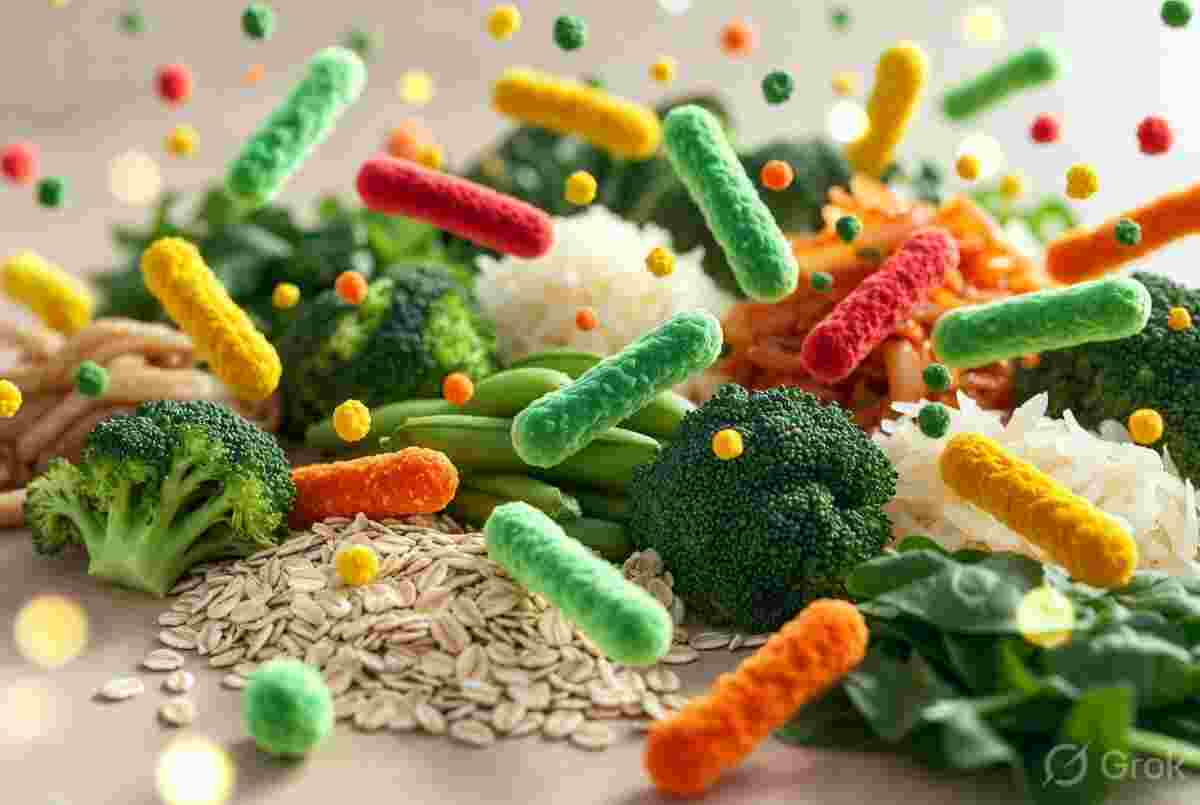
Researchers and clinicians are increasingly viewing the trillions of microbes living in our digestive system as a frontier in oncology, where targeted diets and microbiome modulation transform ordinary foods into therapeutic agents that enhance cancer treatment outcomes and potentially slow disease progression. In 2026, institutions like City of Hope are highlighting this shift, predicting that microbiome-guided nutrition will move from supportive care to a frontline strategy in cancer management.
The gut microbiome plays a critical role in regulating immune responses, metabolizing drugs, and influencing inflammation — factors that directly impact how patients respond to chemotherapy, immunotherapy, and other treatments. Beneficial bacteria break down dietary fiber from foods like beans, broccoli, oats, and leafy greens into short-chain fatty acids (SCFAs) such as butyrate. These compounds strengthen the gut barrier, reduce chronic inflammation, and promote anti-tumor activity by influencing immune cell function and even inducing cancer cell death.
High-fiber diets have shown particular promise. Studies indicate they boost populations of beneficial microbes like Faecalibacterium prausnitzii and Akkermansia, which enhance the effectiveness of immune checkpoint inhibitors in melanoma and other cancers. Patients consuming fiber-rich meals often experience better progression-free survival and fewer side effects. Conversely, Western-style high-fat, low-fiber diets can foster pro-inflammatory bacteria that impair treatment responses and promote tumor growth.
Precision nutrition takes this further by personalizing dietary interventions based on an individual’s unique microbiome profile. Through advanced testing, clinicians can recommend specific prebiotic foods or fermented items like yogurt, kefir, and kimchi to restore microbial diversity after antibiotics or aggressive therapies. Clinical trials are exploring “prescription meals” delivered to patients, combining high-fiber ingredients with monitored intake to optimize gut health during treatment. Early results suggest these approaches can improve immunotherapy response rates and help mitigate gastrointestinal side effects common in cancer care.
Beyond diet, scientists are engineering probiotic bacteria into living drug factories. In recent preclinical work, modified E. coli Nissle strains successfully infiltrated tumors in mice and produced anticancer compounds like Romidepsin directly at the tumor site. This “bugs as drugs” strategy leverages the natural tumor-seeking ability of certain bacteria, which thrive in the low-oxygen environments inside solid tumors. Such innovations could minimize systemic toxicity while maximizing therapeutic impact.
Fecal microbiota transplantation (FMT) and targeted probiotics are also gaining traction. By restoring healthy microbial communities, these methods help overcome resistance to treatments like anti-PD-1 therapy in melanoma and colorectal cancer. Multi-omics approaches combining microbiome analysis with metabolomics allow for highly personalized interventions, marking a shift toward precision oncology where food truly becomes medicine.
Challenges remain, including standardizing protocols and ensuring safety for immunocompromised patients. However, the momentum is clear. The 2026 Food is Medicine in Oncology Care Symposium underscored the growing evidence base, with experts calling for broader integration of nutritional strategies into standard care pathways.
As research accelerates, patients may soon receive microbiome-optimized meal plans alongside traditional therapies. This holistic approach not only aims to boost survival rates but also improves quality of life by reducing treatment-related complications. From fiber-packed plates to engineered microbial allies, the intersection of diet and microbiome science is redefining cancer care, offering hope that what we eat can actively help conquer the disease.
