

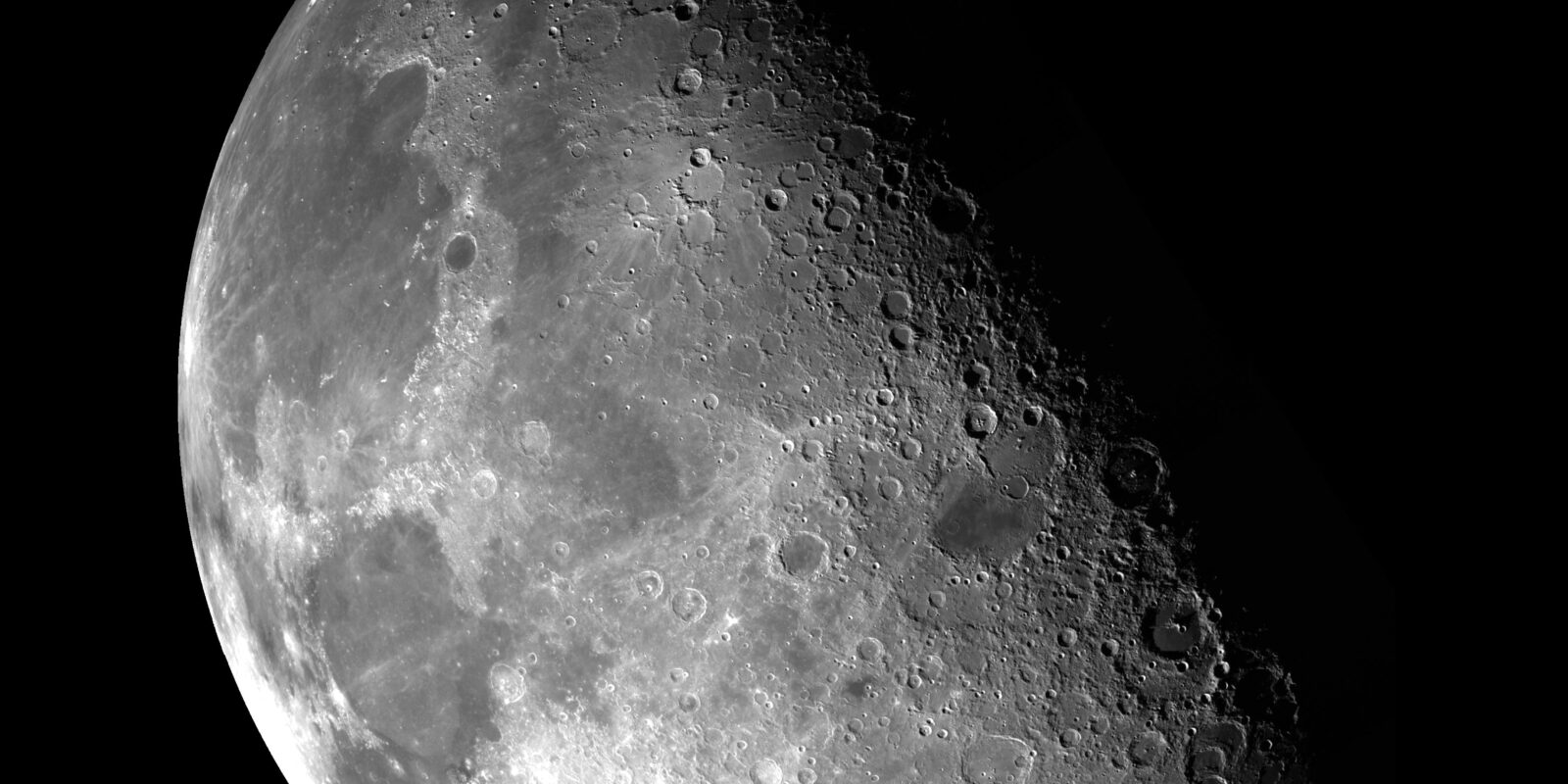
The moon has fascinated humanity for thousands of years, guiding timekeeping, traditions, and daily activities across cultures. Even in the modern world, interest in Moon Phase Today remains strong, as people look to the sky for meaning, planning, and reflection. Alongside this curiosity, the lunar calendar continues to play an important role in understanding natural cycles and aligning human activities with them.
The concept of Moon Phase Today refers to the current stage of the moon as it moves through its monthly cycle, from new moon to full moon and back again. Each phase represents a different level of illumination and carries symbolic and practical significance. Knowing the Moon Phase Today helps people stay connected to natural rhythms that influence tides, wildlife behavior, and even human moods. Many individuals check the Moon Phase Today as part of their daily routine, just as they would check the weather forecast.
The lunar calendar, a temporal framework predicated on the moon’s periodic transformations, diverges from solar-based systems. Unlike the conventional calendar, which adheres to a consistent annual cycle, the lunar calendar is structured around the moon’s phases. This characteristic renders it particularly useful for monitoring seasonal shifts, religious practices, and customary occasions. Its enduring significance is underscored by the continued reliance of diverse cultures on the lunar calendar for festivals, rituals, and agricultural strategies.
A primary reason for the significance of the Moon Phase Today lies in its impact on the natural world. Agriculturalists, horticulturists, and fishermen have historically utilized lunar observations to determine optimal periods for cultivation, harvesting, and fishing activities. The lunar calendar facilitates the identification of propitious intervals, thereby enhancing the efficacy of timing and outcomes. Even in contemporary society, numerous individuals integrate contemporary scientific understanding with lunar knowledge to guide their choices, drawing upon traditional wisdom.
The lunar calendar further serves as a cornerstone of spiritual and cultural observances. Numerous religious traditions align significant ceremonies with lunar phases, thereby rendering awareness of the Moon Phase Today crucial. Fasting periods, festive occasions, and sacred rituals frequently rely on the lunar calendar, thereby fostering alignment between human existence and cosmic rhythms. This interconnectedness cultivates a sense of equilibrium and attentiveness, which many individuals find valuable.
In everyday practice, adherence to the Moon Phase Today can promote both contemplation and strategic planning. Certain individuals posit that specific lunar phases are more conducive to initiating new ventures, whereas others are better suited for periods of rest and completion. The lunar calendar reinforces this perspective by providing a more expansive framework for temporal comprehension, extending beyond mere dates and deadlines. It serves as a reminder that time operates in cyclical patterns, rather than in a linear fashion.
In summation, the significance of Moon Phase Today and the lunar calendar resides in their capacity to foster connections with nature, tradition, and the self. They offer valuable perspectives on natural rhythms, support cultural practices, and furnish a meaningful method for tracking the progression of time. Even within the context of a rapidly evolving digital era, the moon’s consistent rhythm continues to influence, motivate, and stabilize human existence.
