

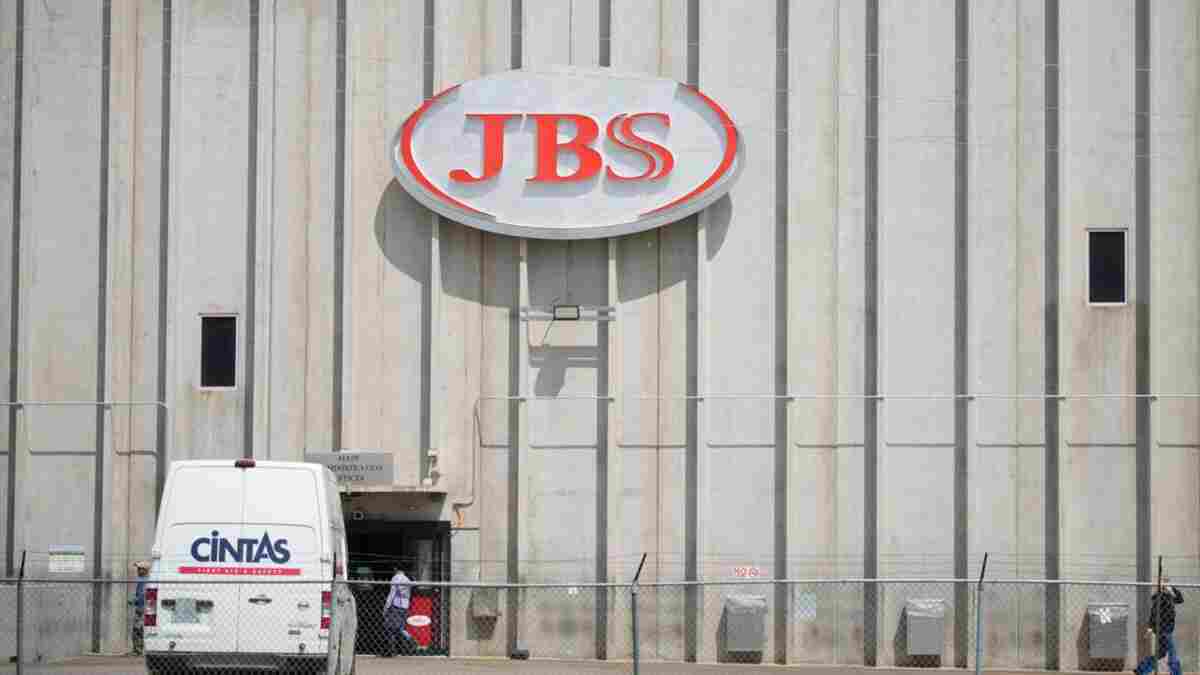
Thousands of meatpacking workers in the United States have launched one of the largest labor strikes the industry has seen in decades, highlighting rising tensions between workers and major food corporations. The strike began on March 16, 2026, at a major beef processing facility in Greeley, Colorado, where approximately 3,800 workers walked off the job demanding better wages, improved working conditions, and fair contract negotiations.
The plant involved in the strike is owned by JBS USA, one of the largest meat producers in the world and a key supplier of beef across North America. The facility processes thousands of cattle daily and plays an important role in the country’s beef supply chain. With such a large workforce stopping operations, the strike has immediately drawn national attention from labor organizations, agricultural groups, and government officials monitoring the potential impact on food prices and supply.
Workers at the facility are represented by the United Food and Commercial Workers union, known as UFCW Local 7. According to union leaders, nearly all members voted to authorize the strike after months of unsuccessful contract negotiations with the company. Employees say the company’s wage proposals did not adequately reflect the rising cost of living, especially in Colorado where housing and living expenses have increased significantly in recent years.
In addition to wages, workers are also protesting what they describe as unfair labor practices and unsafe workplace conditions. Union representatives claim employees have been required to pay hundreds of dollars for essential safety equipment used in the processing plant. They argue that the company should provide protective gear free of charge, given the hazardous nature of meatpacking work.
The strike also reflects broader tensions within the U.S. meat industry. Over the past few years, workers in food processing plants have repeatedly raised concerns about safety risks, long working hours, and physical strain associated with the job. Meatpacking plants often involve fast-paced production lines where workers perform repetitive tasks in cold environments while handling heavy equipment and sharp tools.
Industry analysts note that the strike comes at a particularly sensitive time for the American beef market. The United States is currently experiencing the lowest cattle inventory in about 75 years, a factor that has already pushed beef prices higher for consumers. Any disruption to large processing plants could potentially place additional pressure on the supply chain.
The Greeley facility itself is one of the largest beef processing plants in the country, capable of handling thousands of animals per day. Experts say a prolonged shutdown could affect regional cattle markets, forcing ranchers to redirect livestock to other facilities while companies adjust production schedules.
JBS USA has responded by stating that it believes the strike is unnecessary and that it has offered competitive contracts consistent with industry standards. The company says it plans to continue operating certain parts of the facility and may redirect livestock processing to other plants in order to reduce supply disruptions.
Despite these assurances, labor leaders argue that the strike represents a larger struggle for fair treatment across the food processing industry. Many workers in the meatpacking sector are immigrants and rely heavily on union representation to negotiate workplace protections and fair pay.
For now, picket lines remain active outside the Colorado plant as workers continue their protest. Negotiations between union leaders and company representatives could determine how long the strike lasts and whether it spreads to other facilities across the country.
The outcome of the strike may have significant consequences not only for the employees involved but also for the broader U.S. food industry. If workers succeed in securing improved wages and protections, it could set a new precedent for labor negotiations across meat processing plants nationwide.
