

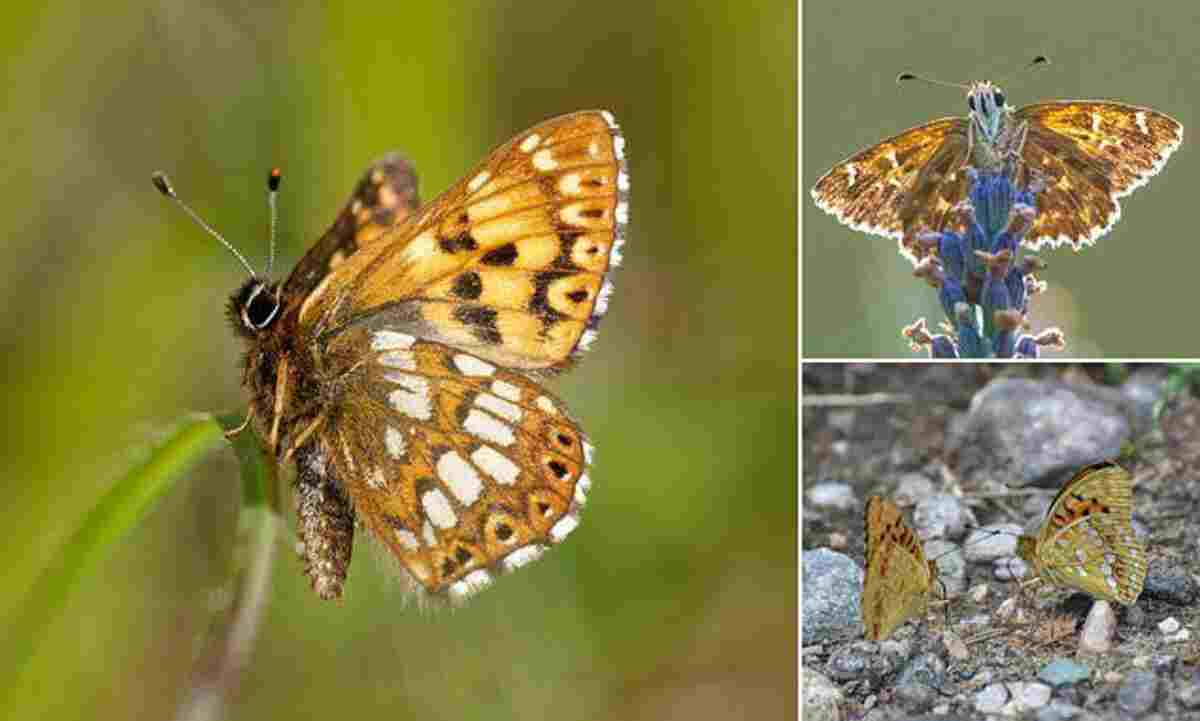
Recent monitoring data from the UK Butterfly Monitoring Scheme paints a concerning picture of the state of Britain’s butterfly populations. Despite the record-hot summer of 2025, many common species failed to show the expected surge in numbers, highlighting how long-term environmental pressures have left these delicate insects increasingly vulnerable. Experts warn that the ongoing declines serve as a clear warning sign for the health of the wider ecosystem, reflecting deeper issues that extend far beyond a single season.
According to the latest official statistics released in early 2026, more than half of the UK’s monitored butterfly species continue to experience long-term population drops since systematic recording began in 1976. Out of 59 species tracked, around 31 to 33 have declined significantly, with habitat specialists suffering the most severe losses, often exceeding 30 to 68 percent in abundance over decades. While some generalist species have shown modest recoveries in recent short-term data, the overall trend remains downward, with total butterfly abundance in the UK falling by approximately 18 to 19 percent long-term.
The 2025 Big Butterfly Count, organized by Butterfly Conservation, recorded an average of 10.3 butterflies per 15-minute survey — an improvement over the record lows of 2024 but still only average by historical standards. Species such as the Holly Blue, Common Blue, and Meadow Brown posted some of their worst results on record, even as the Large White and Small White enjoyed strong showings. Scientists emphasize that favorable weather alone can no longer compensate for years of habitat degradation and other cumulative stresses.
Climate change plays a dual role in these shifts, creating both winners and losers among butterfly populations. Warmer temperatures have allowed some warmth-loving species to expand their ranges northward, yet extreme weather events — including heatwaves, droughts, heavy rainfall, and cold snaps — are disrupting sensitive life stages. Heatwaves during hibernation, egg, or larval phases often lead to synchronized population crashes, while excessive rain during pupal and adult stages reduces survival rates. A major UK Centre for Ecology & Hydrology study published in 2026 warns that under current trajectories, up to seven butterfly species could face extinction in Britain by 2070, representing over 10 percent of the current fauna. Mountain Ringlet and Large Heath are among those at particular risk as cooler upland habitats shrink.
Habitat loss and fragmentation remain the primary drivers of decline. Intensive agriculture, urban expansion, pesticide use, and pollution have eroded the wildflower meadows, hedgerows, and grasslands that butterflies depend on for breeding and feeding. These changes have made populations far less resilient to the increasing frequency of extreme weather linked to global warming. Butterflies serve as vital bioindicators, reflecting the condition of entire ecosystems. Their struggles signal broader biodiversity loss affecting birds, plants, and pollinators essential for food production and natural processes.
Conservationists stress that the coming years represent a critical window for action. A 20-year timeframe highlighted in recent research suggests that decisive steps on climate mitigation and sustainable land use could prevent dozens of extinctions across butterflies, birds, and plants. Reduced emissions combined with habitat restoration, reduced pesticide reliance, and creation of wildlife corridors offer the best chance to bend the curve of decline. Initiatives such as targeted conservation for priority species have already shown success, with some populations stabilizing or rebounding locally.
The message from UK butterfly trends is unambiguous: the natural world is under sustained pressure from human activities. As Britain grapples with climate impacts and biodiversity loss, the fate of these iconic insects underscores the urgent need for integrated environmental policies. Protecting butterflies today means safeguarding the resilient ecosystems that support agriculture, clean air, and the natural beauty that defines the British countryside for future generations. Without swift and coordinated efforts, the colorful displays of summer meadows risk becoming rarer memories rather than annual spectacles.
