

It is quite normal to notice athletes or celebrities with purple circles on their skin from cupping. Maybe you know someone who swears by TCM pain relief or herbal teas for colds. More and more, people use practices like these from Traditional Chinese Medicine (TCM) to not only fight disease, but also prevent it.
For anyone who might not have a clear insight of what we are talking about, TCM is an ancient system of health and wellness that’s been used in China for centuries. Western medicine focused mainly on treating disease while TCM looks at your entire well-being.
Actually, TCM pain relief is based on balance, harmony, and energy. There are two central ideas behind TCM: Qi and Yin & Yang. Qi is also called life energy or vital energy. The belief is that it runs throughout your body, always on the move and constantly changes. TCM treatments tend to focus more on ways to promote and maintain the flow of Qi.
Yin and Yang, on the other hand, are opposites that describe the qualities of Qi. Yin (night, dark, cold, feminine, negative) and Yang (day, light, warm, positive, male) exist with the belief that life has a little bit of its opposite, also, and balance is the key. For instance, a drug from your medical practitioner might heal disease. However, it’s dangerous if you take too much of it.
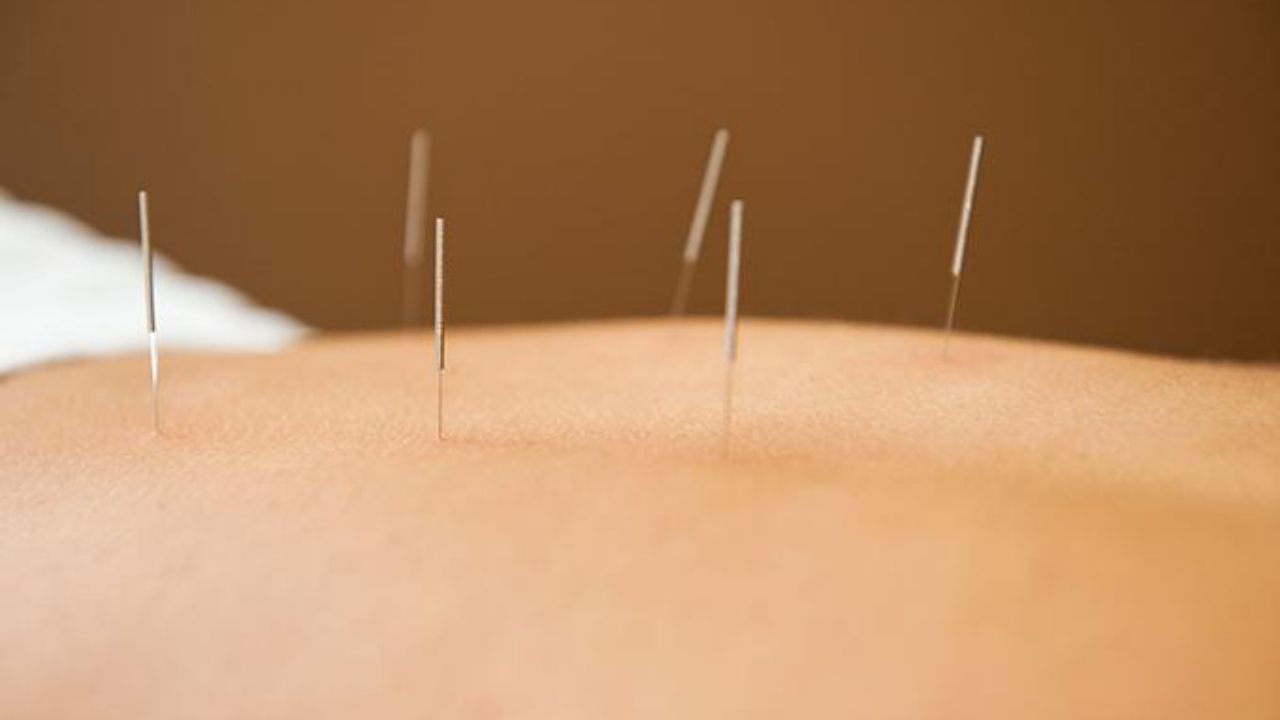
TCM uses several kinds of practices. Some of the most common ones include; acupuncture, cupping, herbs, meditation, moxibustion, and Tai Chi. But is TCM pain relief safe? Well, experts believe it’s safe if you go to someone who knows what they’re doing. This is more so the case with acupuncture, Tai Chi, cupping, and moxibustion.
It is quite different with herbs considering they don’t go through the same FDA processes as drugs. What this simply means is that there’s not as much research on them, and it can be difficult to know precisely what’s in them.
Not to mention, herbs can carry with them side effects or impact other medicine you’re taking. Again, it’s essential to go to someone who really understands their practice and always check with your doctor first.
All in all, TCM is an approach that covers a lot of ground and results tend to vary. In this regard, be sure to do your homework before visiting a TCM pain relief practitioner in Singapore.
