

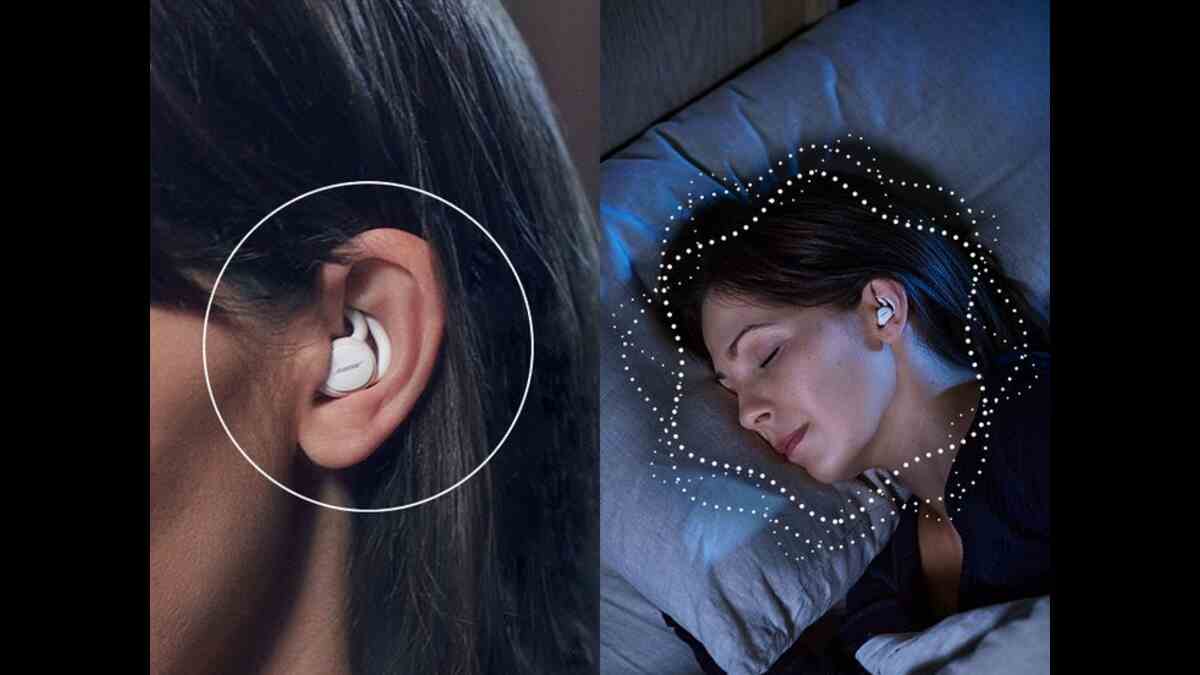
A breakthrough in sleep technology is taking shape as scientists unveil a new pair of sleep-regulating earbuds powered by neural stimulation. Designed to help users fall asleep faster, improve sleep quality, and regulate circadian rhythms, these earbuds are emerging as one of the most promising innovations in modern health tech. Unlike traditional sleep aids that rely on audio tracks or passive noise reduction, this next-generation wearable works directly with the brain’s neural patterns to promote natural, restorative rest.
The new earbuds use gentle neural stimulation signals that synchronize with the user’s brainwave activity. Instead of overpowering sound or vibrations, they deliver micro-pulses calibrated to guide the brain from wakefulness into deep relaxation. This technology mimics the natural transitions the brain undergoes at the onset of sleep, making the experience feel organic rather than artificially induced. Early testers report falling asleep significantly faster and waking up feeling more refreshed, with none of the grogginess often associated with sleep medications.
Comfort has been a major focus of this innovation. The earbuds feature a soft, ergonomic design shaped for long periods of wear, even for side sleepers. Ventilated silicone tips reduce pressure inside the ear, while the lightweight build ensures they stay stable but never intrusive. A passive noise-masking layer also helps reduce ambient sounds without completely blocking awareness, maintaining a safe balance for at-home or travel use.
Beyond sleep induction, the earbuds also integrate smart monitoring capabilities. Built-in sensors track real-time biometrics such as heart rate, micro-movements, breathing patterns, and noise levels. This data is processed by the companion app, which provides detailed sleep analysis including REM cycles, sleep efficiency, and recovery metrics. Rather than just reporting data, the system adapts the neural pulses based on sleep stage, helping users maintain deeper sleep for longer periods.
One of the standout elements of this device is its personalized sleep profile engine. After several nights of use, the earbuds learn the user’s unique sleep architecture and adjust stimulation patterns to match it. For instance, people who struggle with frequent nighttime awakenings receive targeted pulses that stabilize brainwave rhythms, reducing interruptions. For those with delayed sleep cycles, the earbuds gradually shift the rhythm earlier, helping realign circadian timing.
Battery performance has also been improved to support full-night usage. With an optimized low-energy neural signal system, the earbuds can operate for up to 12 hours continuously and charge quickly in a compact case. The case includes temperature-controlled storage to protect the neural sensors from humidity or heat damage, maintaining long-term accuracy.
From a wellness perspective, this innovation represents a significant alternative to medications and traditional sleep therapies. Many users prefer non-pharmaceutical solutions for insomnia, stress-related sleep issues, or jet lag. These earbuds may offer a safe, repeatable method to improve sleep without side effects or dependency.
Experts believe this technology could reshape the consumer health market. As sleep disorders increase globally and stress levels reach new highs, demand for smarter, more effective sleep support tools continues to rise. The combination of neural science and wearable comfort positions these earbuds as a potential new standard in personal wellness devices.
For frequent travelers, shift workers, students, and anyone struggling with inconsistent sleep, the promise of reliable, scientifically guided rest is especially appealing. As the earbuds move closer to broader release, anticipation is growing among consumers and health professionals alike. With sleep being one of the most crucial pillars of health, innovations like these bring us closer to a future where better rest is accessible, personalized, and seamlessly integrated into everyday life.
