

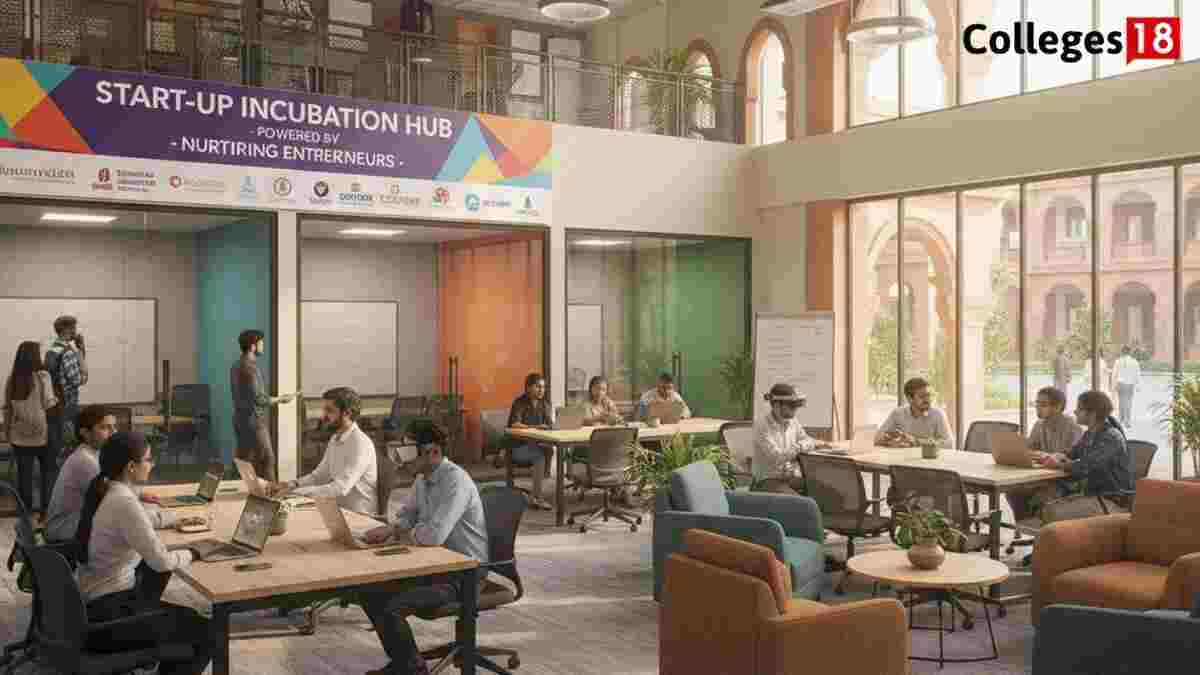
In a landmark move that could redefine how academic research translates into real-world impact, Indian Institute of Technology Bombay has launched an ambitious initiative aimed at bridging the long-standing gap between laboratory innovation and market-ready solutions. The initiative, known as TRYST, represents a bold step toward transforming cutting-edge research into commercially viable products and scalable businesses.
TRYST, which stands for Translational Research Yielding Solutions for Tomorrow, has been established as a Section 8 company, marking a first-of-its-kind approach among India’s premier engineering institutions. Unlike traditional academic research setups that often remain confined within laboratories or academic journals, this new entity is designed with a clear business-oriented mission: to bring dormant or underutilized technologies into the real world.
The initiative addresses a critical issue that has long affected innovation ecosystems worldwide. Universities generate a massive amount of groundbreaking research, but a significant portion of it never reaches commercialization due to a lack of infrastructure, funding, or industry alignment. TRYST aims to solve this problem by creating a structured pathway that connects researchers, entrepreneurs, and industry stakeholders.
At its core, TRYST focuses on identifying early-stage technologies developed within the institute that have strong commercial potential but remain untapped. These innovations are then supported through a combination of technical development, business strategy, and industry partnerships. The goal is not just to create startups, but to build sustainable solutions that can address real-world challenges across sectors such as healthcare, energy, manufacturing, and digital technology.
This move reflects a broader shift in how academic institutions are evolving in 2026. Universities are no longer just centers of education and theoretical research; they are becoming active players in the global innovation economy. By launching TRYST, IIT Bombay is positioning itself at the forefront of this transformation, setting an example for other institutions in India and beyond.
One of the most significant aspects of TRYST is its structure as a Section 8 company, which allows it to operate with flexibility while maintaining a focus on public benefit. This model enables the initiative to collaborate with private companies, attract investments, and scale innovations without being restricted by traditional academic frameworks. This hybrid approach combines the credibility of an academic institution with the agility of a startup ecosystem.
The timing of this initiative is particularly important. As global industries rapidly evolve with advancements in artificial intelligence, clean energy, and advanced manufacturing, the demand for innovation is higher than ever. Countries that can effectively translate research into commercial success are gaining a competitive edge in the global economy. TRYST positions India to strengthen its role in this landscape by accelerating the journey from idea to impact.
Another key dimension of TRYST is its potential to empower students and young researchers. By providing access to commercialization pathways, mentorship, and industry exposure, the initiative encourages a new generation of innovators to think beyond academic achievements and focus on real-world problem-solving. This aligns with the growing trend of entrepreneurship within technical institutions, where students are increasingly launching startups alongside their academic pursuits.
The ripple effects of this initiative could extend far beyond the campus. Successful commercialization of research can lead to job creation, industry growth, and technological advancements that benefit society at large. It also strengthens collaboration between academia and industry, fostering an ecosystem where innovation thrives through shared knowledge and resources.
Globally, similar models have been instrumental in driving innovation in leading institutions across the United States and Europe. With TRYST, IIT Bombay is bringing that model to India in a structured and scalable way. This not only enhances the institute’s global standing but also contributes to the country’s ambition of becoming a hub for technology and innovation.
Ultimately, the launch of TRYST is more than just an institutional initiative; it is a signal of change. It reflects a future where research is not confined to theory but actively shapes industries, economies, and everyday life. By turning ideas into impact, IIT Bombay is redefining the role of academia in the modern world.
As innovation becomes the backbone of global progress, initiatives like TRYST could play a pivotal role in shaping how knowledge is transformed into tangible value.
